
Equine Joint Injections: A Comprehensive Guide
Equine joint injections represent a vital veterinary procedure, effectively managing joint pain and inflammation in horses stemming from various conditions. This guide details the process!
Understanding the anatomy, preparation, techniques, strategies, and potential complications is crucial for optimal outcomes and long-term horse health.
This handbook clearly describes anatomy, preparation of the site, management of the horse, techniques, injection strategies and complications.
What are Equine Joint Injections?
Equine joint injections involve introducing medication directly into a horse’s joint space to alleviate pain and reduce inflammation. This is a common veterinary procedure utilized to address various musculoskeletal issues affecting athletic performance and overall quality of life.
These injections aren’t a cure-all, but a key component of a comprehensive management plan. They aim to restore comfort and function, allowing horses to maintain activity levels. The process requires careful consideration of the horse’s individual needs and a thorough veterinary examination.
It’s a targeted approach to address localized joint problems.
Why are Joint Injections Used in Horses?
Joint injections are primarily employed to manage pain and inflammation within a horse’s joints, enhancing their comfort and athletic capability. They are crucial for horses experiencing discomfort that impacts performance or daily activities.
The goal is to improve the joint environment, reducing friction and allowing for greater range of motion. Injections can help horses maintain training regimens and compete more effectively. They are often used as part of a broader strategy for long-term joint health.
This targeted approach offers significant benefits.
Common Conditions Treated with Joint Injections
Equine joint injections are frequently utilized to address a range of degenerative and inflammatory conditions. Osteoarthritis, a common cause of lameness, is a primary target, alongside conditions like synovitis – inflammation of the joint lining.
Injections can also aid in managing pain associated with cartilage damage and ligament strain. They are often employed in horses recovering from injury, supporting the healing process and restoring joint function. Addressing these issues improves quality of life.
Types of Joint Injections
Equine joint injections encompass several modalities, each with unique properties. Hyaluronic acid (HA) injections aim to lubricate and cushion the joint. Corticosteroids reduce inflammation, providing short-term pain relief.
More advanced options include IRAP, utilizing the horse’s own anti-inflammatory proteins, and PRP, leveraging platelet growth factors for tissue repair. The choice depends on the specific condition, severity, and individual horse needs.
Hyaluronic Acid (HA) Injections
Hyaluronic acid (HA) injections work by supplementing the naturally occurring HA within the joint fluid. This increases viscosity, providing enhanced lubrication and shock absorption. HA aims to improve joint mechanics and reduce discomfort, particularly in cases of osteoarthritis.
While generally safe, the effects are often more subtle and may require a series of injections for optimal results. It’s a common first-line treatment for mild to moderate joint issues.
Corticosteroid Injections
Corticosteroid injections are potent anti-inflammatory medications directly introduced into the joint space. They rapidly reduce inflammation and pain, offering quicker relief compared to HA. However, repeated use carries risks, including potential cartilage damage and systemic side effects.
Veterinarians carefully consider the benefits versus risks, often using them strategically for acute flare-ups or when faster pain control is needed. Insulin dysregulation increases laminitis risk.
IRAP (Interleukin-1 Receptor Antagonist Protein)
IRAP therapy utilizes the horse’s own blood to create a protein that blocks inflammatory signals within the joint. Blood is collected and processed, stimulating cells to produce the anti-inflammatory protein. This is then injected into the affected joint.
IRAP offers a more natural approach, potentially with fewer side effects than corticosteroids, and aims to modify the disease process rather than just masking symptoms.
PRP (Platelet-Rich Plasma) Injections
PRP therapy concentrates the horse’s own platelets, which contain growth factors promoting tissue healing and reducing inflammation. A blood sample is processed to isolate and concentrate these platelets, then injected directly into the affected joint.
PRP aims to stimulate the body’s natural healing mechanisms, potentially improving cartilage health and reducing pain. It’s often used for milder joint issues or in conjunction with other therapies.
Preparation for Joint Injection
Preparation for a joint injection is crucial for success and safety. A thorough veterinary examination assesses the horse’s overall health and lameness. Horse conformation and palpation help pinpoint the affected joint and identify any underlying issues.
Sedation protocols are often employed to ensure the horse remains calm and still during the procedure. Stall rest is recommended post-injection, requiring available space. Careful preparation minimizes risks!
Pre-Injection Veterinary Examination
Prior to joint injection, a comprehensive veterinary examination is paramount. This assessment evaluates the horse’s overall health, focusing on the source of lameness. The veterinarian will thoroughly assess the horse’s gait and range of motion, identifying the specific joint causing discomfort.
This detailed examination helps determine if a joint injection is the appropriate course of action and guides the selection of the most suitable medication.
Horse Conformation and Palpation
Evaluating a horse’s conformation is crucial before injection, as it can influence joint stress and identify predisposing factors to lameness. Palpation, the process of physically examining the joint, helps pinpoint areas of pain, swelling, or heat.
Palpation can be difficult in heavily muscled horses, requiring experienced hands to accurately locate anatomical landmarks and assess joint integrity. Accurate targeting is essential for successful treatment.
Sedation Protocols
Prior to the injection, veterinarians commonly employ sedation to ensure the horse remains calm and minimizes movement during the procedure. This enhances safety for both the animal and the practitioner. Sedation protocols vary based on the horse’s temperament, health status, and the specific joint being targeted.
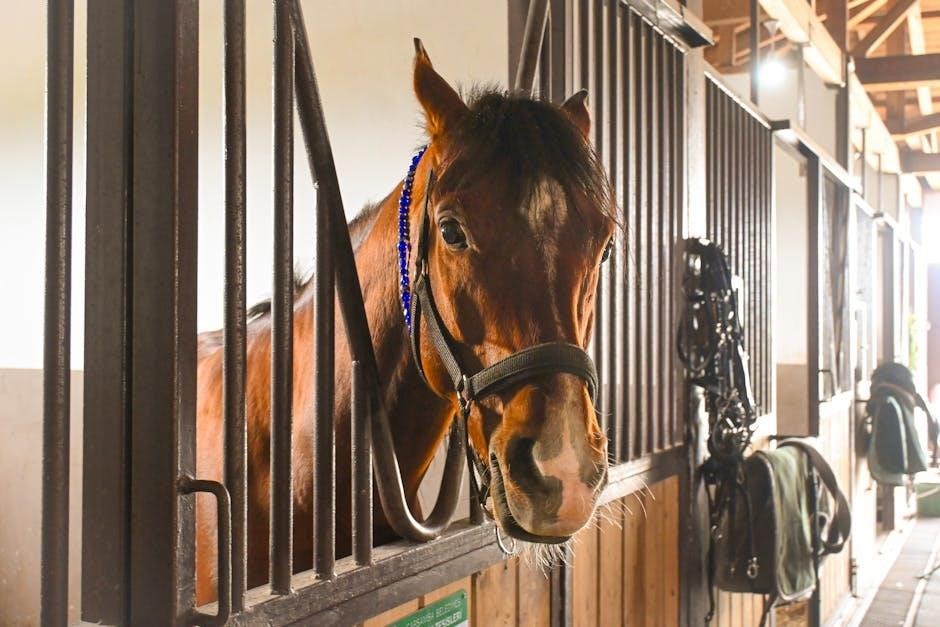
Veterinarians may ask that the horse be stalled following sedation, preparing for the injection process and ensuring a controlled environment for optimal results.
The Joint Injection Procedure
The joint injection procedure demands meticulous attention to detail, prioritizing a sterile technique to prevent infection. Thorough site preparation, including clipping and disinfection, is paramount. Accurate anatomical knowledge guides needle placement into the targeted joint space – fetlock, carpus, or hock, for example.
Veterinarians carefully control injection volume and rate, ensuring proper distribution of the medication within the joint capsule for maximum therapeutic effect.
Aseptic Technique and Site Preparation
Aseptic technique is absolutely critical during joint injections to minimize the risk of introducing infection. This begins with meticulous skin preparation, typically involving clipping the hair over the injection site and thorough disinfection with surgical scrub solutions;
The veterinarian, wearing sterile gloves and utilizing sterile equipment, creates a sterile field. Careful adherence to these protocols safeguards the joint from contamination, ensuring a successful and safe procedure.
Specific Joint Injection Locations (e.g., Fetlock, Carpus, Hock)
Joint injection sites vary depending on the affected area, requiring precise anatomical knowledge. Common locations include the fetlock, carpus (knee), and hock. Palpation techniques are used to accurately identify landmarks for needle placement.
For the hock, the site is close to 2/3 of the distance between the tuber coxae and tuber ischii. Accurate targeting minimizes risk and maximizes therapeutic effect. Ultrasound guidance further enhances precision.
Injection Volume and Rate
Injection volume and rate are critical factors influencing efficacy and minimizing complications. Veterinarians carefully determine the appropriate dosage based on joint size, condition severity, and the specific medication used.
Typically, volumes range from 5-10ml for smaller joints like the fetlock, to larger volumes for the hock. The injection is administered slowly, over several minutes, to allow for proper distribution and reduce pressure within the joint capsule.
Post-Injection Care
Post-injection care is paramount for optimal healing and preventing complications. Most veterinarians recommend a minimum of 24 hours of strict stall rest, ensuring bandages remain dry and undisturbed. This limits movement, allowing the medication to work effectively.
Bandaging protects the injection site and minimizes swelling. Careful monitoring for any adverse reactions, such as heat, pain, or lameness, is essential. Follow your veterinarian’s specific instructions diligently.
Stall Rest Recommendations (24 Hours)
Following joint injection, a 24-hour period of stall rest is generally advised. This crucial step minimizes limb movement, allowing the injected medication to concentrate within the joint space for maximum therapeutic effect.

Ensure the stall is clean, dry, and well-bedded to prevent contamination of any bandage. Strict adherence to this rest period significantly reduces the risk of post-injection complications and supports optimal recovery.
Bandaging and Wound Care
Post-injection, proper bandaging is essential to protect the injection site from contamination and minimize swelling. A sterile bandage should be applied immediately after the procedure, ensuring it’s not too tight to restrict circulation.
Monitor the bandage closely for any signs of moisture or displacement. Change the bandage as directed by your veterinarian, and carefully inspect the injection site for any developing reactions or infection.
Monitoring for Adverse Reactions
Post-injection, diligent monitoring is crucial. Watch for signs of infection at the injection site – swelling, heat, pain, or discharge. Be alert for systemic reactions, including fever, lethargy, or loss of appetite.
Importantly, be aware of the potential, though rare, risk of laminitis, particularly in horses with underlying insulin dysregulation. Report any concerning changes to your veterinarian immediately for prompt evaluation and treatment.
Potential Complications of Joint Injections
Although frequent, joint injections aren’t without risks. Infection remains a concern, requiring strict aseptic technique. A less common, yet serious, complication is laminitis, potentially linked to insulin dysregulation in some horses.
Local injection site reactions, like mild swelling or discomfort, can occur. Vigilant monitoring post-injection is vital to identify and address any adverse effects promptly, ensuring the horse’s well-being.
Infection
Infection represents a significant, though relatively uncommon, complication following joint injections. Strict adherence to aseptic technique during the procedure is paramount to minimize this risk. Careful site preparation, utilizing appropriate disinfectants, is essential.
Post-injection monitoring for signs of infection – swelling, heat, pain, or discharge – is crucial. Prompt veterinary attention is needed if any such indicators arise, potentially requiring antibiotic therapy.
Laminitis Risk (Related to Insulin Dysregulation)
Laminitis, a serious hoof condition, presents a potential risk, particularly in horses with underlying insulin dysregulation. Corticosteroid injections, commonly used in joint treatments, can exacerbate insulin resistance.
Therefore, veterinarians increasingly emphasize identifying and managing insulin dysregulation before joint injections. Careful consideration of alternative therapies, or lower-dose corticosteroid protocols, may be warranted in susceptible horses to mitigate this risk.
Injection Site Reactions
Injection site reactions are relatively common, manifesting as localized swelling, heat, or mild pain following a joint injection. These reactions are typically self-limiting, resolving within a few days.
However, more severe reactions, such as cellulitis or abscess formation, though rare, require immediate veterinary attention. Maintaining strict aseptic technique during the injection procedure minimizes the risk of these complications, ensuring optimal horse comfort and recovery.
Injection Strategies and Protocols
Injection strategies vary based on the condition, horse, and product used. Veterinarians determine the interval between injections, often adjusting based on the horse’s response and workload.
Combination therapies, utilizing different injectables like HA and corticosteroids, are frequently employed for synergistic effects. Careful consideration of the horse’s overall health, including insulin dysregulation, is vital to minimize risks like laminitis.
Interval Between Injections
The interval between injections isn’t fixed; veterinarians tailor it to the individual horse and the specific joint condition. Initial treatment often involves a series of injections, spaced several weeks apart, to reduce inflammation and pain effectively.
Maintenance injections may then be administered less frequently – perhaps every few months – to manage ongoing discomfort. Monitoring the horse’s response is crucial for adjusting the schedule.
Combination Therapies
Combination therapies are increasingly common in equine joint management, aiming for synergistic effects. For example, pairing hyaluronic acid (HA) with corticosteroids can provide both lubrication and potent anti-inflammatory action.
Integrating regenerative therapies like IRAP or PRP with traditional injections may also enhance healing and long-term joint health. A veterinarian will determine the optimal combination based on the horse’s specific needs.
Understanding Joint Anatomy for Injection Success
Accurate joint injections hinge on a thorough understanding of equine joint anatomy. Key anatomical landmarks, like the tuber coxae and tuber ischii, guide precise needle placement. Palpation techniques are essential for identifying these structures, though can be difficult in heavily muscled horses.
Knowing the joint capsule’s location and surrounding tissues minimizes the risk of injecting into unintended spaces, maximizing therapeutic effect and safety.
Key Anatomical Landmarks
Identifying key landmarks is paramount for successful joint injections. For the hock, the point lies close to two-thirds of the distance along a line from the tuber coxae to the tuber ischii. The fetlock requires precise location of the deep digital flexor tendon sheath.
Accurate palpation and visualization of these structures ensure the medication reaches the intended intra-articular space, optimizing treatment efficacy and minimizing potential complications.
Palpation Techniques for Accurate Targeting
Precise palpation is essential, though challenging in heavily muscled horses. Vets skillfully locate bony prominences and ligamentous structures to define the joint space. Experienced practitioners use a combination of static and dynamic palpation, assessing movement and tissue response.
Confirming landmarks before injection minimizes the risk of injecting para-articularly, ensuring the medication directly targets the affected joint for optimal therapeutic effect.
The Role of Ultrasound Guidance
Ultrasound guidance significantly enhances the accuracy of equine joint injections, providing real-time visualization of the needle’s trajectory and placement within the joint capsule. This technology is particularly valuable for deeper or smaller joints where palpation alone may be insufficient.
Benefits include improved accuracy, reduced risk of complications, and confirmation of intra-articular drug delivery, maximizing therapeutic efficacy and patient safety.
Benefits of Ultrasound-Guided Injections
Ultrasound-guided injections offer substantial advantages in equine joint therapy. They demonstrably improve accuracy, ensuring medication reaches the intended target within the joint, maximizing its therapeutic effect. This precision minimizes the risk of injecting into surrounding tissues, reducing potential complications like infection or inflammation.
Furthermore, visualization confirms successful intra-articular placement, enhancing confidence in treatment and potentially improving clinical outcomes for the horse.
Improving Accuracy and Reducing Complications
Ultrasound guidance significantly enhances injection accuracy by providing real-time visualization of the needle’s path and the joint space. This minimizes the chance of misplacement, reducing the risk of injecting into surrounding tissues, like ligaments or tendons, and subsequent complications.
By confirming intra-articular placement, ultrasound minimizes post-injection soreness and the potential for infection, leading to a safer and more effective procedure for the horse.
Managing Pain and Performance Post-Injection
Post-injection monitoring is crucial for assessing treatment efficacy. Veterinarians carefully observe for improvements in lameness, noting any reduction in pain or increased range of motion. A structured return to work schedule is essential, gradually increasing exercise intensity to avoid overloading the joint.
Careful observation allows for adjustments to the rehabilitation plan, optimizing recovery and maximizing the horse’s return to athletic performance.

Monitoring for Improvement in Lameness

Lameness evaluation post-injection involves regular veterinary check-ups and careful observation of the horse’s movement. Owners should note any changes in gait, stride length, and willingness to move forward.
Objective assessments, like force plate analysis, can quantify improvements. Consistent monitoring helps determine if the injection effectively reduced pain and inflammation, guiding further treatment decisions and optimizing the horse’s recovery process.
Return to Work Schedule
Gradual reintroduction to work is crucial after joint injections. Typically, a phased approach begins with hand-walking for a few days, progressing to trotting under saddle.
The intensity and duration of exercise should increase slowly, guided by the horse’s response and veterinary advice. Avoid sudden strenuous activity to prevent re-injury. A carefully planned schedule maximizes the benefits of the injection and supports a successful return to performance.
Long-Term Joint Health Management
Proactive management extends beyond injections. Supplementation with joint support nutrients, like glucosamine and chondroitin, can aid cartilage health.
Consistent, appropriate exercise and conditioning programs maintain muscle strength, supporting joint stability. Regular veterinary check-ups monitor joint health and allow for early intervention. A holistic approach, combining these strategies, optimizes long-term soundness and quality of life for the equine athlete.
Supplementation Strategies
Joint supplements aim to support cartilage health and reduce inflammation. Common ingredients include glucosamine, chondroitin sulfate, hyaluronic acid, and omega-3 fatty acids.
These supplements may help maintain synovial fluid quality and provide building blocks for cartilage repair. While not a cure, consistent supplementation, guided by veterinary advice, can be a valuable component of a long-term joint health plan, complementing other therapies.
Exercise and Conditioning Programs
Controlled exercise is paramount for maintaining joint health post-injection. A gradual return to work, guided by the veterinarian, is essential.
Focus on low-impact activities like walking and gradually increase intensity. Strengthening exercises build supporting musculature, reducing stress on joints. Consistent, appropriate conditioning improves joint lubrication and resilience, contributing to long-term soundness and preventing re-injury. Avoid sudden, strenuous activity.
Cost Considerations for Joint Injections
Joint injection costs vary significantly based on several factors. The type of injection (HA, corticosteroid, IRAP, PRP) greatly influences price, with advanced therapies like IRAP and PRP being more expensive.

Veterinarian fees, geographic location, and the number of joints treated also contribute. Budgeting for ongoing joint care, including potential repeat injections and supportive therapies, is crucial for long-term management and your horse’s well-being.
Factors Influencing Injection Costs
Several key elements determine the final cost of equine joint injections. The chosen injection type – hyaluronic acid, corticosteroids, IRAP, or PRP – is a primary driver, with regenerative therapies commanding higher prices.
Veterinarian experience and practice location also impact fees. Furthermore, the number of injected joints and any necessary pre- or post-injection medications or diagnostics contribute to the overall expense. Diagnostic imaging adds to the cost.
Budgeting for Ongoing Joint Care
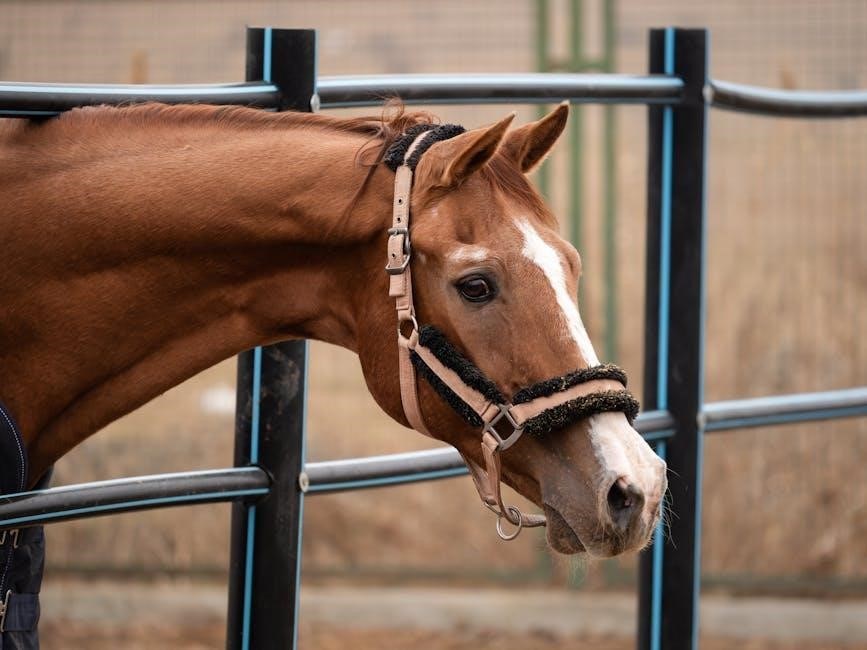
Proactive joint health management requires a long-term financial plan. While injections provide relief, they aren’t a one-time fix; budgeting for potential repeat injections is essential.
Consider incorporating joint supplements into your horse’s routine, alongside a well-structured exercise program. Regular veterinary check-ups and early intervention can prevent issues escalating, potentially reducing future injection frequency and costs. Prioritize preventative care!